Neurology, ICU and anaesthesia equipment for Belgian hospitals
Objective pupillometry
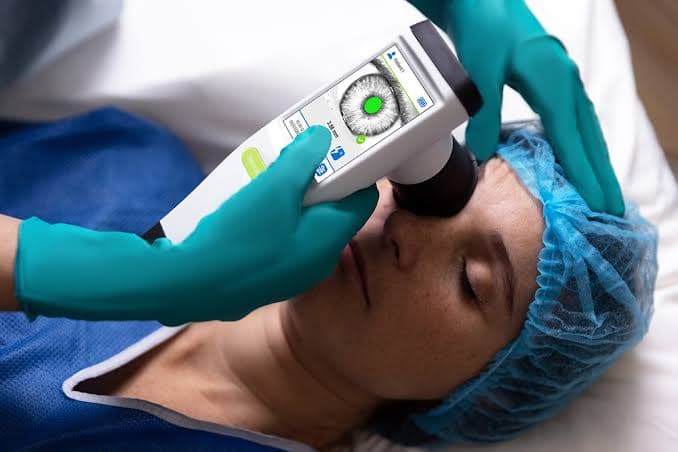
Objective pupillometry
Quantitative pupillometry
The NeuroLight measures pupil size and reactivity objectively, removing subjective assessment from your neuro checks.
Neurological monitoring
Track the pupillary light reflex with precision, a reliable early indicator in critical care settings.
Immediate decisions
Get clear, numeric data at the bedside to inform your next step, without waiting or guesswork.
Portable design
Compact and ready where you need it. No consumables needed. Integration with all PDMS possible.
Clinical confidence
Supported by a specialist distributor, with training and service from LOFIMA behind every device. Integration with PDMS is possible.
Match your EEG/EP monitoring setup (mobile/fix)
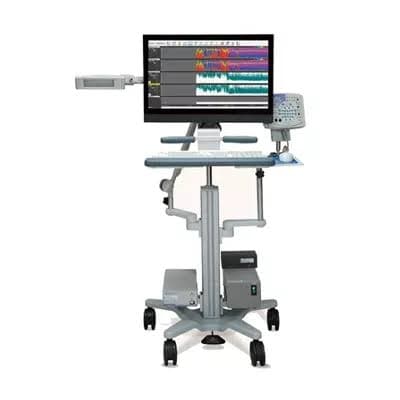
Match your EEG/EP monitoring setup (mobile/fix)
Bedside monitoring
Continuous vital sign monitoring for ICU, OR and neurology, configurable to match each patient's acuity level.
EEG/EP systems
Full EEG solutions from Nihon Kohden for seizure detection, brain function assessment and neuro-ICU care.
Integration ready
Monitoring platform, Polaris One, that connect with your existing hospital network and clinical information systems.
Tailored configuration
We help you specify parameters, modules, and accessories so the system matches your workflow, not the other way around. CerebAir a cEEG system that can help you when neurologists are hard to come by (night shift - weekend).
Training included
Clinical staff receive hands-on training so your team is confident using the equipment from day one.
Smart and small ventilation that adapts
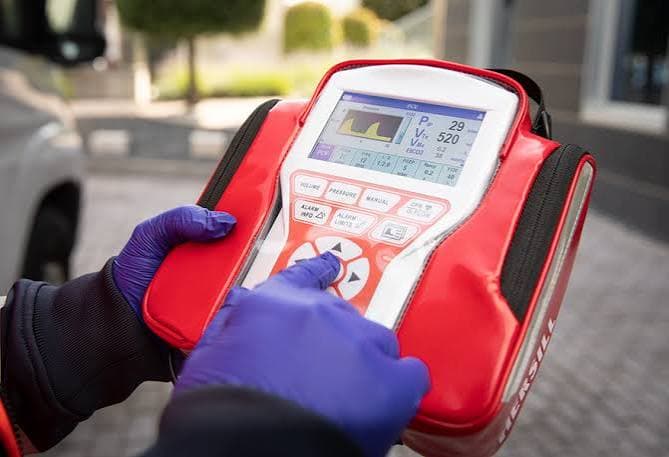
Smart and small ventilation that adapts
Critical care ventilation
The Vitae40 from Hersill provides tailored respiratory support for intensive care and emergency (ambulance, helicopter) settings designed to deliver stable, continuous ventilation when patients need it most.
Patient-adaptive modes
Advanced ventilation modes respond to patient effort in real time, improving comfort and synchrony while reducing the load on clinical staff.
Integrated monitoring data
Each ventilator pairs with patient monitoring to display respiratory parameters, giving clinicians the full picture at the bedside or in the neuro-ICU.
Transport-ready design
Compact and robust, the NF5 from Comen is a High Flow Heated Respiratory Humidifier (HFNC) with battery that supports in-hospital transport, so stable ventilation continues safely through corridors and between departments.
Neonatal to adult flexibility
Adjustable settings and interchangeable circuits let one device serve a range of patient sizes, reducing the number of systems a department needs to maintain.
Training and implementation
LOFIMA supports your clinical team with on-site instruction and guidance, so new ventilation equipment is adopted quickly and used with confidence.
Nihon Kodhen NKV-330
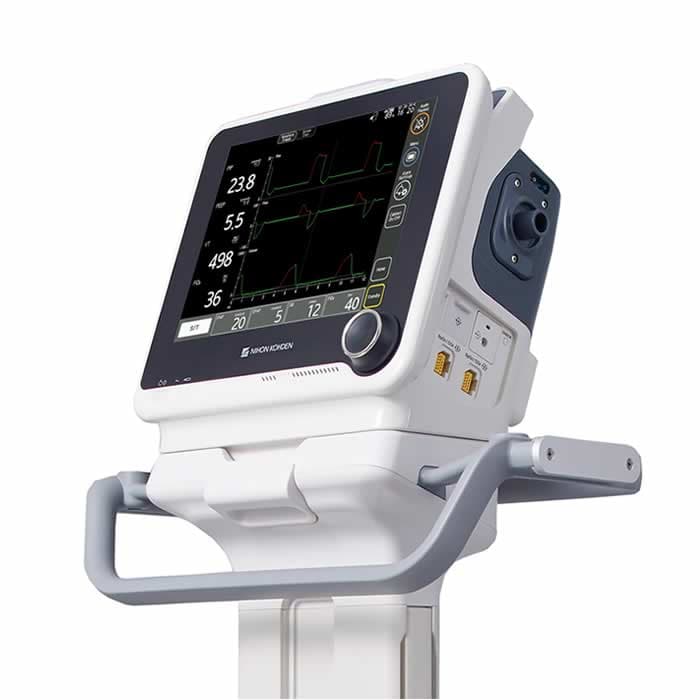
Nihon Kodhen NKV-330
NKV-330
An advanced, turbine-driven non-invasive ventilation (NIV) system. It is designed for use with adult and paediatric patients weighing 12.5 kg or more in the emergency department, the intensive care unit (ICU) and during transport within the hospital.
Versatile ventilation modes
Supports various non-invasive modes, including Spont-PS, S/T, PCV, PRVC and PPV. The device also features an integrated function for High-Flow Oxygen Therapy (HFOT).
Integrated monitoring
Automatic detection and continuous monitoring of both CO₂ (capnography via the cap-ONE sensor) and SpO₂, which remain active even when the device is in standby mode.
Clinical data
Stores up to 72 hours’ worth of complete clinical trend data to help healthcare professionals evaluate treatment.
What if every intubation could be visualized?
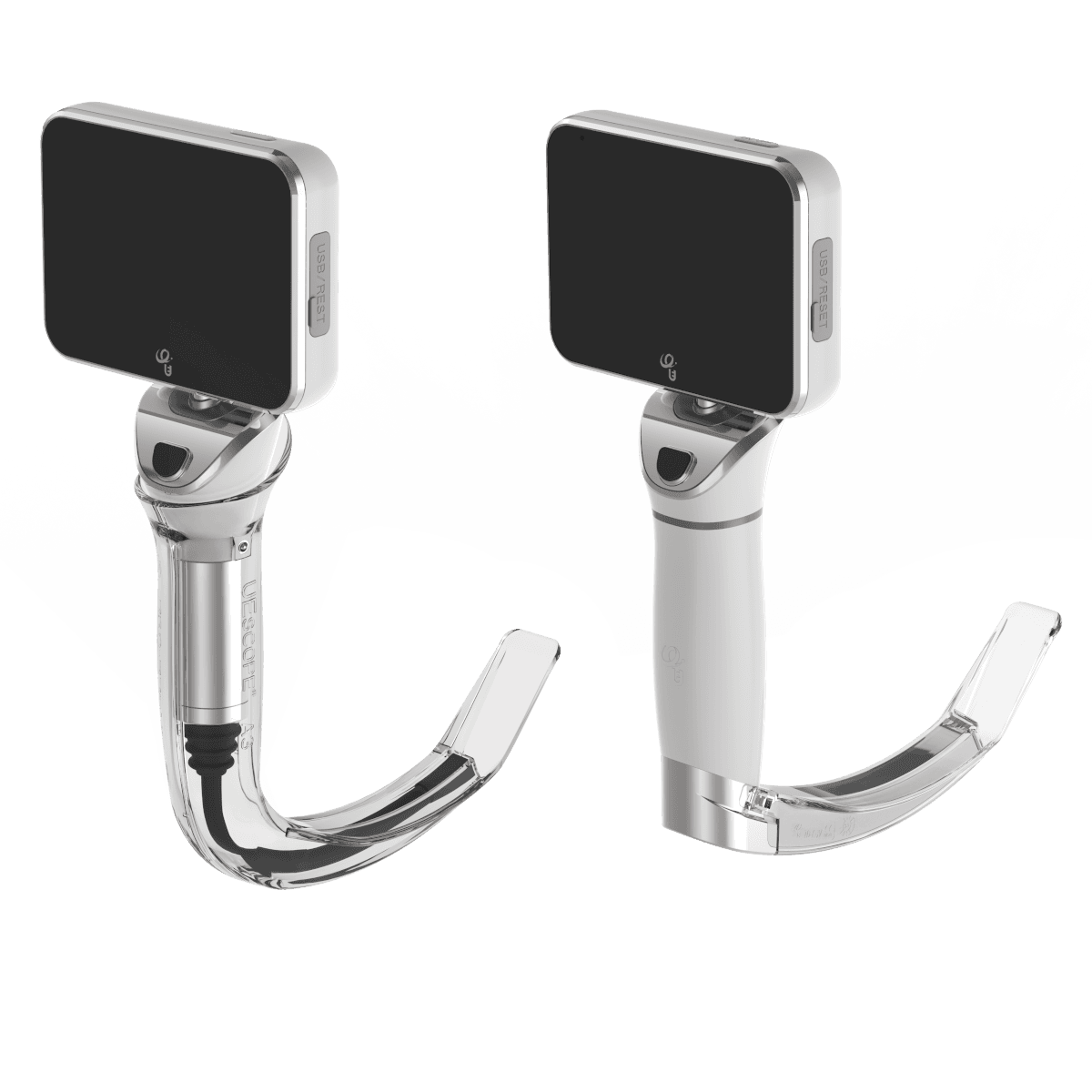
What if every intubation could be visualized?
Clear view
High-resolution camera on the blade shows the glottis in real time, so you confirm tube placement instead of guessing.
Faster first pass
A direct line of sight reduces the need for repeat attempts, which matters when every second counts.
Better training
The shared screen lets supervisors guide trainees live, turning every intubation into a teaching moment.
Fewer complications
Better visualization means less tissue trauma and fewer esophageal intubations, especially in difficult airways.
Easy cleaning
Reusable blades and simple reprocessing keep the scope ready for the next patient without workflow delays.
Wide compatibility
Works across anaesthesia, intensive care, and emergency settings with interchangeable blades for different anatomies.
See one of these products in your own department?
We'll bring the equipment to your hospital and show you what fits your clinical workflow. Call +32 475 46 62 76 or email info@lofima.be for more detailed information.